Welcome to The Wellness Protocol
Evidence-based protocols for energy, strength, and longevity.
The Wellness Protocol exists to help you take back control.
Here you’ll learn the exact protocols to rebuild your energy, upgrade your body, and operate at your full potential.
Because health isn’t optional. It’s the foundation of everything.
Welcome To our Blog
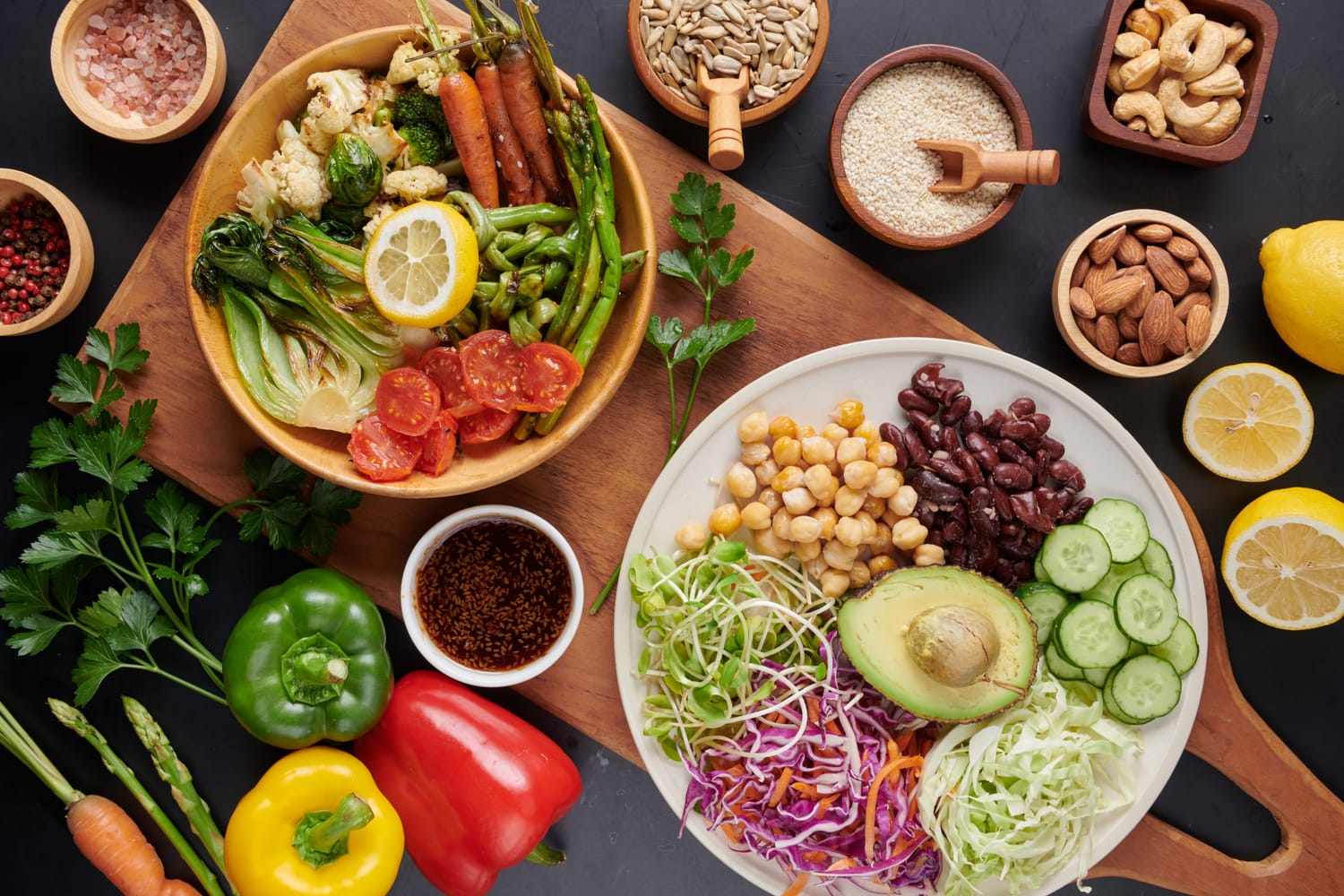
Foods To Focus On When Your Over 40
1. Protein-Dense Foods
After 40, your body loses muscle faster.
Muscle loss slows metabolism, weakens bones, and increases fat gain.
Protein becomes non-negotiable.
Focus on:
Eggs
Greek yogurt
Chicken
Fish
Lentils
Paneer / tofu
Aim to include protein in every meal.
Protein keeps you full, protects muscle, and stabilizes blood sugar.
2. Leafy Greens
Most people over 40 are not overeating calories.
They are undernourished.
Leafy greens provide nutrients your body desperately needs.
Prioritize:
Spinach
Kale
Fenugreek leaves)
Broccoli
Swiss chard
They support heart health, digestion, and inflammation control.
3. Healthy Fats
Hormones rely heavily on dietary fat.
Cutting fat too aggressively after 40 often leads to fatigue, brain fog, and hormone issues.
Focus on:
Avocados
Nuts
Seeds
Olive oil
Fatty fish (salmon, sardines)
Healthy fats help regulate hormones and support brain function.
4. Fiber-Rich Foods
Digestive efficiency declines with age.
Fiber becomes essential for:
Gut health
Blood sugar control
Cholesterol management
Add more:
Oats
Beans
Chia seeds
Flax seeds
Whole fruits
Fiber also keeps you full and reduces overeating.
5. Anti-Inflammatory Foods
Chronic inflammation quietly increases with age.
You may not feel it immediately, but it slowly damages your body.
Add foods that actively reduce inflammation:
Berries
Turmeric
Ginger
Green tea
Garlic
These foods protect long-term health.
The Real Problem Most People Over 40 Have
It’s not age.
It’s years of poor habits catching up.
Too much sugar.
Too many ultra-processed foods.
Too little protein and micronutrients.
Fix the inputs, and your body responds quickly.

How To Maintain Healthy Bones As We Age
Most people think bone problems start at 60.
Wrong.
Bone loss quietly begins after your mid-30s.
By the time people notice it, the damage has already been happening for years.
Weak bones aren’t just about fractures.
They lead to:
Reduced mobility
Chronic pain
Poor posture
Higher injury risk
Loss of independence later in life
The good news: bone health is highly controllable if you follow the right protocols.
1. Strength Training Is Non-Negotiable
Bones respond to stress.
If your body never experiences resistance, it has no reason to maintain strong bones.
This is why sedentary people lose bone density faster.
Focus on:
Weight training
Resistance bands
Bodyweight exercises
Walking or hiking
Exercises like squats, lunges, push-ups, and deadlifts signal your body to strengthen bone tissue.
Movement literally tells your skeleton:
“Stay strong.”
2. Get Enough Calcium (But Not Just Calcium)
Calcium is essential for bone structure.
But taking calcium alone is not the full solution.
Prioritize foods like:
Milk and yogurt
Cheese and paneer
Almonds
Sesame seeds
Leafy greens
However, calcium needs other nutrients to work properly.
3. Vitamin D Is Critical
Without Vitamin D, your body cannot absorb calcium effectively.
Unfortunately, many adults are deficient.
Simple solutions:
Get 15–30 minutes of sunlight daily
Eat fatty fish and eggs
Consider supplements if needed
Vitamin D helps your body actually use the calcium you consume.
4. Prioritize Protein
Bones are not just minerals.
Nearly 50% of bone structure is made from protein.
Low protein intake accelerates bone loss.
Focus on:
Eggs
Fish
Chicken
Lentils
Greek yogurt
Tofu or paneer
Protein supports both muscle strength and bone density.
5. Reduce Bone-Destroying Habits
Some habits quietly weaken bones over time.
Limit:
Excess sugar
Ultra-processed foods
Smoking
Heavy alcohol consumption
Constant sedentary lifestyle
Your daily habits either protect your bones or slowly erode them.
Weak bones are not an inevitable part of aging.
They are usually the result of years of inactivity and poor nutrition.
Start early.
Stay consistent.
Small daily habits compound into long-term strength.